Written by UConn Dietetics student Katie Connarn
It can be frustrating when your toddler does not want to eat what you are serving, but it is important to let them listen to their hunger signals. A way to do this is using responsive feeding techniques which can make mealtime more fun for everyone!
What is responsive feeding and why is this important?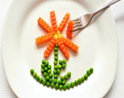
Responsive feeding means responding promptly when your child signals they are hungry or full. With this way of feeding, you provide the food, but the child gets to decide how much of it they want to eat. This is important because healthy eating habits start at a young age. Teaching children that they have control over how much they eat lets them learn to better understand their hunger signals, which is a healthy habit to have and can prevent future health concerns such as obesity.
How can you start responsive feeding with your child?
You can start by observing your child’s hunger cues and reacting when they say they are full. One way to start responsive feeding is to let them serve themselves. You can show or describe to your child what is offered for the meal or snack but then let your child pick how much of each food they desire. This teaches your child to think about how hungry he/she is before they select their food for their plates.
Meal fun may increase the intake of healthy foods!
If you feel like your toddler lacks interest in foods that you feed your family, here are some tips that may help engage them:
You can include your child in meal preparation by letting them help you prepare the food using a play cooking set or think about some of these safe options listed below.
If your child is 2–3 years old, some activities include: Rinsing fruits and vegetables or tearing greens into pieces. Sorting foods into different bowls. Using a butterknife to spread soft spreads.
If your child is 4-5 years old, they could start peeling loose skinned oranges or hard-boiled eggs and measuring and leveling dry ingredients.
If your child is 6-8 years old, they could gather and measure ingredients and learn to crack eggs into a bowl.
Think about turning food into fun shapes by using small cookie cutters. Cutters work well on soft bread; you could also set the plate up as a fun design like an animal or a banana “snake” might work for your toddler!