Written by UConn Dietetics Masters student Sydney Vallone
Celery is often not a person’s first choice when it comes to eating vegetables! However, celery is healthy for our bodies and there is so much in those green, crunchy stalks! 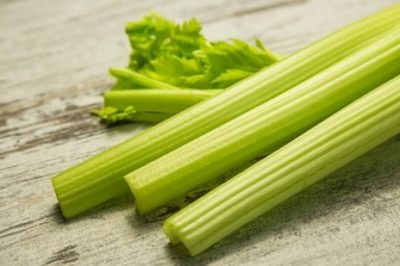 Celery is a fantastic addition to any dish for texture, flavor, and a nutrient boost!
Nutrition facts for celery
In one cup of chopped raw celery there are 14 calories, 0 grams of fat, 3 grams of carbohydrates, and 1.35 grams of sugar.
Benefits of celery for our bodies
Celery is extremely low calorie as it is mostly made of water, making it terrific to add to your diet to increase hydration. Additionally, you can eat a belly-filling amount for few calories. Celery contains many important nutrients such as vitamin K, vitamin C, vitamin A, dietary fiber, iron, and calcium. Celery is great for heart health. Its low sodium content, micronutrients, and antioxidants can help to maintain healthy blood pressure, and decrease risk of plaque buildup in the arteries.
Ways to add celery into your diet
Other than eating raw as a crunchy snack, celery is extremely versatile in many recipes! Celery leaves are a fantastic and flavorful addition to early cooking steps for stews, soups and meat dishes.
Eating celery with a dip such as hummus, guacamole, or tzatziki. Also, a bit of peanut or nut butter adds a pop of protein to your snack!
Add celery to any soup. Sauté a bit first to soften before adding remaining ingredients.
Finely chop celery and add into chicken salad, tuna salad, or potato salad for added crunch!
Add into smoothies or juices!
Try this recipe for Celery Apple Walnut Salad
An option is to add cold, cooked, cubed chicken breast for chicken salad!
References
6 Health Benefits of Celery Cleveland Clinic Article
Celery: Not just for Veggie Trays Mayo Clinic Article