Written by UConn Dietetics Masters student Jamie Costello
A majority of Americans are not consuming the recommended amounts of fiber. Fiber is found in plant foods, which include things like fruits, vegetables, whole grains etc. There are two types of fiber, soluble and insoluble, which both play different but equally important roles in your digestive system. Fiber is very important for one’s health, and specifically is beneficial for heart health, regular bowel movements, and digestive health. Additional benefits to consuming fiber are that it helps an individual stay full and satisfied longer after consuming a meal. The fiber recommendation for women is 25 grams each day. The fiber recommendation for men is 38 grams each day.
What are Soluble and Insoluble Fiber?
Soluble fiber, when consumed, dissolves in water which creates a gel like substance within the gut. That gel-like substance has the ability to help lower cholesterol, by capturing cholesterol through binding to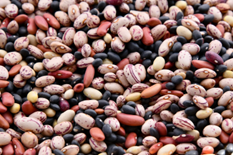 bile acids. Soluble fiber can slow digestion and keep blood sugar levels steady. Some sources of soluble fiber include oats, beans, fruits like apples, and vegetables like Brussels sprouts.
Insoluble fiber, when consumed, acts like a scrub brush for your intestines. It adds bulk to your stool, which prevents constipation by keeping bowel movements regular. Some sources of insoluble fiber are popcorn, whole grains like barley and bulgur, whole grain wheat bread, the skin of fruits and vegetables, and nuts and seeds. It is important to add both soluble and insoluble fiber to your diet.
Tips to Increase Fiber Intake
When deciding to increase your fiber intake, slowly increase the grams of fiber you are consuming each day. Otherwise, you will experience GI distress (bloating and gas) and feel uncomfortable. Buying canned beans is a good fiber option, due to their low cost, and long shelf life. Beans can be added to a variety of different meals, including soups and chilis. Additional budget-friendly fiber ideas include opting for frozen fruits and vegetables. Frozen fruits and vegetables have the same nutritional and fiber values as fresh.
Simple High Fiber Recipe: 5 Ingredient Avocado & Chickpea Salad
One Serving (2 cups) contains 17 grams of dietary fiber. Combine all the ingredients together in a bowl to create a rich fiber meal.
4 tablespoons lemon juice
2 tablespoons olive oil
¼ teaspoon salt
¼ teaspoon ground pepper
2 (15 ounce) cans no salt added chickpeas, drained and rinsed
3 cups grape tomatoes, cut in half
½ medium red onion, thinly sliced
2 large avocados, diced